

The opinions expressed here are solely those of the author.
In the span of a few days, the world has witnessed one of the most dramatic interventions in recent Latin American history: Venezuelan President Nicolás Maduro was captured by U.S. forces and transported to New York to face narcotics and terrorism charges, triggering a cascade of diplomatic, legal, and humanitarian consequences.
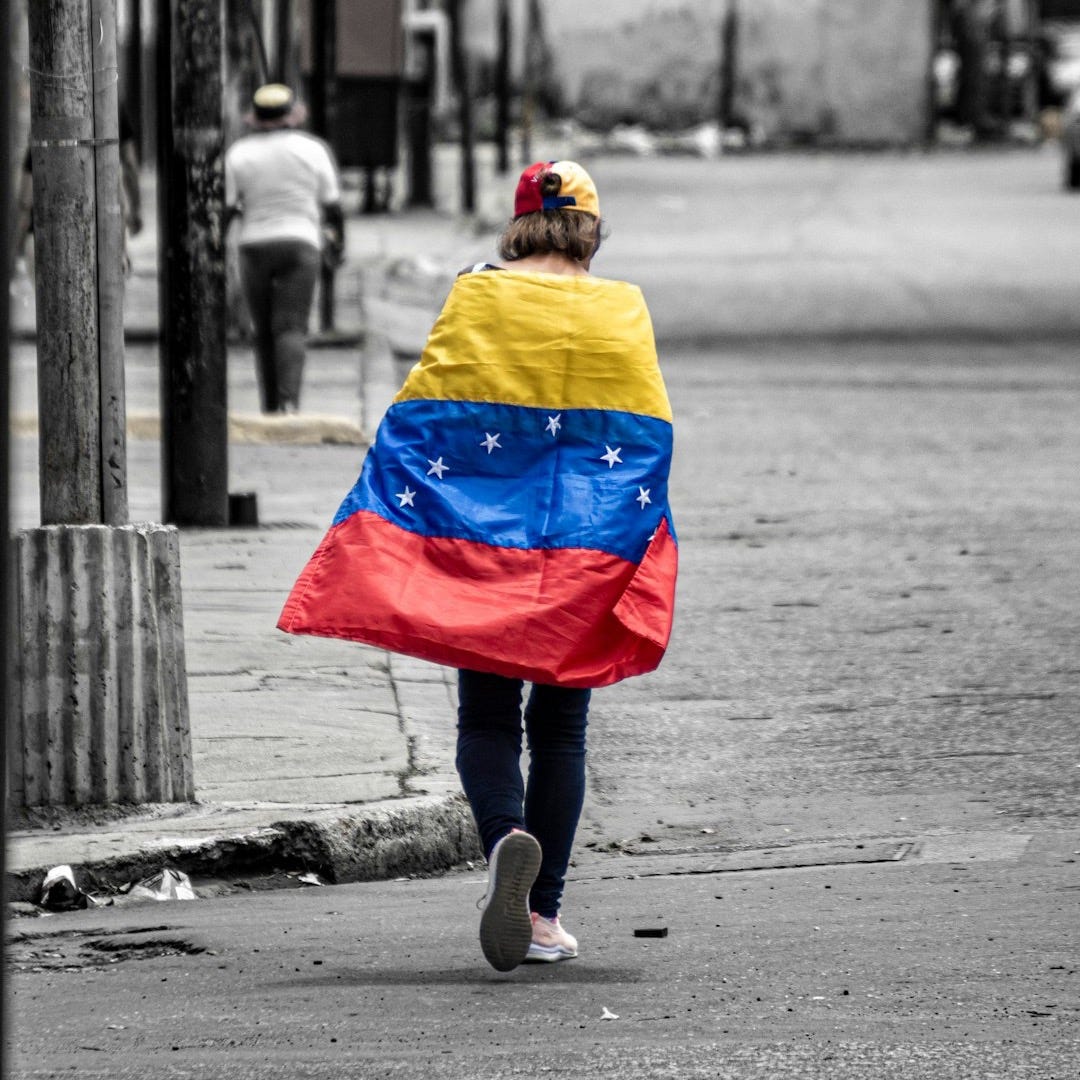
For millions of Venezuelans and the vast diaspora around the globe, Maduro’s departure from power represents an end to repression and a long-overdue break from starvation economics. Under his rule, basic goods were scarce, inflation was astronomical, and political opponents were silenced, jailed, or forced into exile. In some cases, their homes became prisons long before they ever saw bars.
But liberation should never be mistaken for occupation, nor should justice be entangled with geopolitical ambition.
What followed Maduro’s capture was not a clean transition to democracy, but a murky reshuffling of power. A longtime Maduro ally, Delcy Rodríguez, was installed as interim president under pressure from Venezuela’s military and Supreme Court, a move that few international observers treat as truly democratic. This was followed by political prisoner releases — a hopeful gesture — but also by reports of ongoing crackdowns on dissent and media freedoms.
President Trump has publicly asserted that the United States will “run” Venezuela until a transition can occur, and has leveraged America’s economic might — particularly over oil — as a tool of influence. Meanwhile, in Washington, lawmakers have openly debated whether such unilateral military actions should require Congressional approval, underscoring constitutional tensions at home.
We must ask ourselves: what does regime change truly mean if it is ordered by one foreign power and not freely chosen by the people themselves?
To champion democracy means more than removing one autocrat and placing another leader with ties to the old regime into power. It means empowering civil society, ensuring truly free elections, protecting journalists and activists, and lifting the systemic conditions that drove millions into diaspora in the first place. It means building schools, not just rewriting constitutions on foreign military bases.
Venezuelans have endured decades of suffering. Their resilience is real. Their courage in standing up to tyranny is admirable. But genuine self-determination cannot be imposed from outside. It must emerge from within — by Venezuelans, for Venezuelans.
If the international community, and especially the United States, truly wants a stable and democratic Venezuela, then the next steps must not be dominated by political expediency or oil interests. They must be rooted in restoration of civil institutions, transparent electoral processes, and protections for human rights.
Regime change should not be a slogan. It should be a commitment to justice that honors the dignity and aspirations of the Venezuelan people — not just a shift in who sits in a palace.
Only then can hope be more than a fleeting headline.
Isabella is an actress and cultural commentator based in Los Angeles. She writes about global humanitarian issues, migration, and the role of storytelling in shaping public empathy.